
At UniBetter, we recognize the significance of the operational amplifier (op-amp) in modern electronic circuits. An operational amplifier serves as a fundamental building block in various applications, including signal processing, filtering, and mathematical operations like addition, subtraction, and differentiation. This article delves into the concept of operational amplifiers, with a focus on the operational amplifier differentiator and its role in operational amplifier circuits.
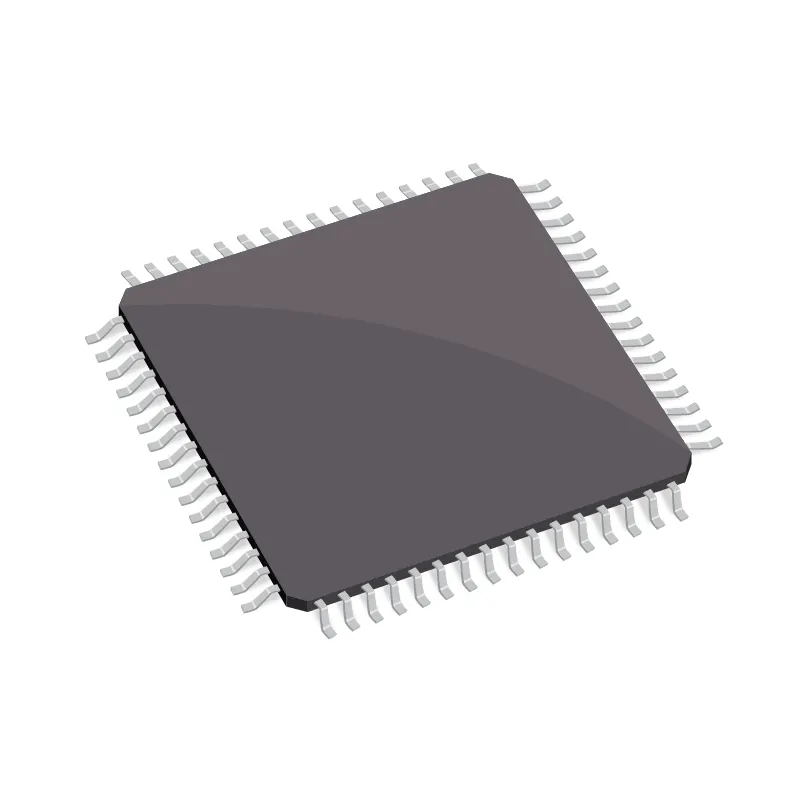
What is an Operational Amplifier?
An operational amplifier is a high-gain voltage amplifier with differential inputs and a single output. The versatility of operational amplifiers makes them suitable for a wide range of applications, from audio equipment to instrumentation. One notable example is the AD8605ARTZ, a precision operational amplifier manufactured by Analog Devices Inc. This op-amp features rail-to-rail input and output, making it ideal for applications that require a wide dynamic range.
The operational amplifier’s ability to amplify small voltage differences between its input terminals is crucial for various electronic circuits. Designers often utilize op-amps in configurations such as inverting, non-inverting, and differential amplifiers to achieve specific signal processing tasks.
The Role of the Operational Amplifier Differentiator
The operational amplifier differentiator is a specific configuration of the op-amp that produces an output voltage proportional to the rate of change of the input voltage. This circuit is invaluable in applications where detecting rapid changes in signal levels is necessary, such as in audio processing or in signal conditioning for sensors.
In a typical operational amplifier differentiator circuit, the input signal is fed through a capacitor, which allows only changes in voltage to pass through. The op-amp then amplifies this change, resulting in an output that reflects the derivative of the input signal. This configuration is particularly useful in applications where timing and rapid response are critical.
Building an Operational Amplifier Circuit
Creating an operational amplifier circuit involves selecting the appropriate components and configuring them correctly to achieve the desired functionality. For instance, when designing an operational amplifier differentiator, one must carefully choose the resistor and capacitor values to ensure the circuit responds accurately to the input signal.
At UniBetter, we distribute a wide range of high-quality components suitable for building operational amplifier circuits. Our inventory includes precision resistors, capacitors, and, of course, operational amplifiers like the AD8605ARTZ. By sourcing reliable components, engineers can create circuits that perform consistently and meet their project specifications.
Conclusion
In conclusion, operational amplifiers are essential components in modern electronics, enabling a wide array of functionalities across various applications. Understanding the operational amplifier differentiator and how to build effective operational amplifier circuits is crucial for engineers and designers. At UniBetter, we are committed to sourcing high-quality electrical components that support the development of innovative electronic solutions. By focusing on precision and reliability, we help our clients achieve their engineering goals and drive technological advancements. Trust UniBetter for all your operational amplifier needs and elevate your electronic designs today.